The Allure of Gambling: Understanding Casino Attraction
The psychology of casino gaming habits begins with the innate allure of gambling. Casinos create an environment designed to captivate the senses, with vibrant lights, exciting sounds, and the promise of wealth. These elements can trigger the release of dopamine, a neurotransmitter linked to pleasure and reward. This chemical response can lead individuals to associate the thrill of gambling with positive feelings, making them more likely to return. Additionally, many people turn to casinos not on gamstop for an escape from their daily routines.
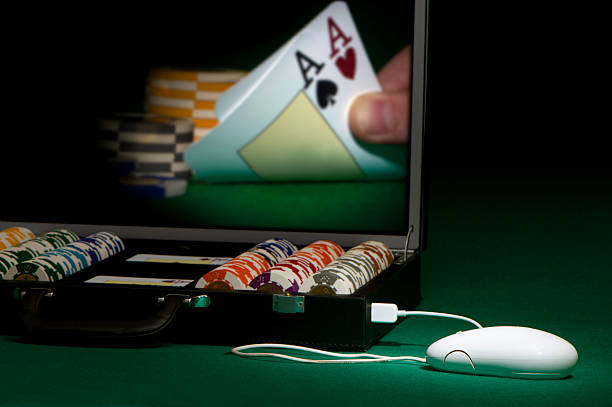
Furthermore, many gamblers seek an escape from reality. The immersive atmosphere of a casino offers a temporary reprieve from everyday stresses, allowing players to submerge themselves in a world of possibilities. This escapism can be a driving factor behind repeated visits, as individuals often find solace in the excitement and unpredictability that gambling offers.
The Role of Cognitive Biases in Gaming
Cognitive biases significantly influence gaming habits, often leading players to make irrational decisions. One common example is the “gambler’s fallacy,” where players believe that past outcomes affect future results. For instance, if a player has lost several rounds, they might feel that a win is “due,” prompting them to gamble even more. This misconception can create a cycle of continued betting, even in the face of losses.
Another important bias is the “illusion of control,” where players believe they can influence the outcome of games, especially in games of chance like slots or roulette. This belief can encourage players to engage more frequently, as they may feel empowered and confident in their abilities. Such biases demonstrate how psychological perceptions can lead to habitual gambling, often overshadowing logical thinking.
The Impact of Social Influences on Gambling Behavior
Social factors play a crucial role in shaping individuals’ gambling habits. Friends and family can significantly impact a person’s decision to gamble, with social gatherings often revolving around casino visits. This communal aspect can enhance the thrill of gaming, as sharing experiences with others adds a layer of excitement and bonding.
Moreover, social media and advertising can further enhance these tendencies by glamorizing gambling lifestyles. Individuals may feel pressure to conform to perceived societal norms surrounding gambling, leading them to engage in gaming activities even if they originally had reservations. Over time, these social influences can contribute to the normalization of gambling behaviors, solidifying them as a regular pastime.
The Emotional Connection to Casino Gaming
Emotions play a pivotal role in casino gaming habits, often driving individuals to gamble as a form of emotional regulation. Players might engage in gambling during times of stress, anxiety, or even joy, using the activity as a way to amplify positive emotions or mitigate negative feelings. This emotional connection can create a strong dependency on gaming, leading to habitual behavior as players seek comfort or excitement from their experiences.
Additionally, the highs and lows of gambling can trigger a rollercoaster of emotions. Winning may elicit feelings of euphoria, while losses often generate disappointment. These emotional fluctuations can create an addictive cycle, where players continuously chase the high of a win, reinforcing their commitment to the activity regardless of the risks involved.

Understanding Responsible Gambling Practices
As the understanding of casino gaming habits evolves, responsible gambling practices have become increasingly important. Awareness of the psychological factors that drive gambling behavior can help individuals recognize when their habits may be becoming harmful. Implementing measures such as setting budgets, limiting playtime, and seeking support when needed can promote a healthier relationship with gambling.
Additionally, websites focused on promoting responsible gambling provide valuable resources and information. By educating players about the risks associated with gambling and encouraging safe practices, these platforms play a vital role in fostering a safer gambling environment. Ultimately, the goal is to balance enjoyment of casino gaming with mindful and responsible behavior.